The Department of Fisheries originated from the Centre for Development of Fisheries, established in 1998 through the pioneering efforts of Prof. K. Chitravadivelu. The Centre initially offered a Diploma in Fisheries Science with the objective of enhancing the knowledge and capacity of fishing communities in the Northern Province of Sri Lanka.

The Department of Fisheries was formally established on 1 August 2009 under the leadership of Prof. Sivashanthini Kuganathan, Founder and former Head of the Department. The increasing demand for fisheries-related higher education and the emergence of similar academic programmes in other universities underscored the importance of establishing an advanced academic pathway in the region. Accordingly, Fisheries Science was introduced as a major subject for Biological Science undergraduates at the University of Jaffna. Following approval by the University’s academic and administrative authorities and subsequent endorsement by the University Grants Commission, the Department was officially gazetted on 5 June 2009 with the establishment of a comprehensive four-year Honours Degree curriculum.

Since its inception, the Department has offered both General and Honours Degree programmes in Fisheries Science, in addition to postgraduate research opportunities through the MPhil programme conducted under the Faculty of Graduate Studies. The academic curriculum is multidisciplinary in nature, encompassing marine and fisheries biology, oceanography, limnology, molecular biology, ecology, toxicology, microbiology, statistics, economics, and social sciences. These programmes are designed to produce highly competent graduates capable of addressing contemporary challenges in fisheries, aquatic resource management, environmental sustainability, and regional development.

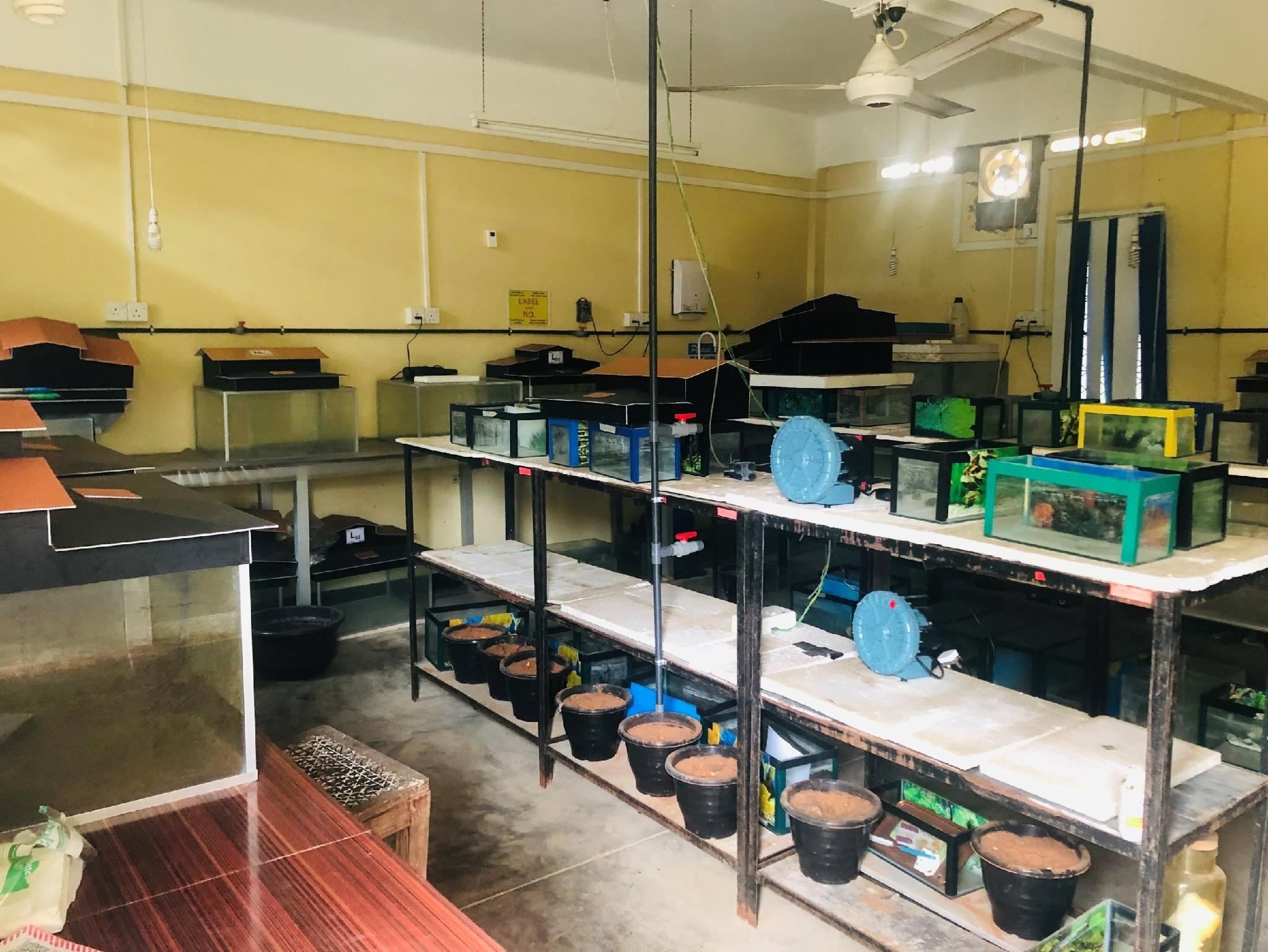
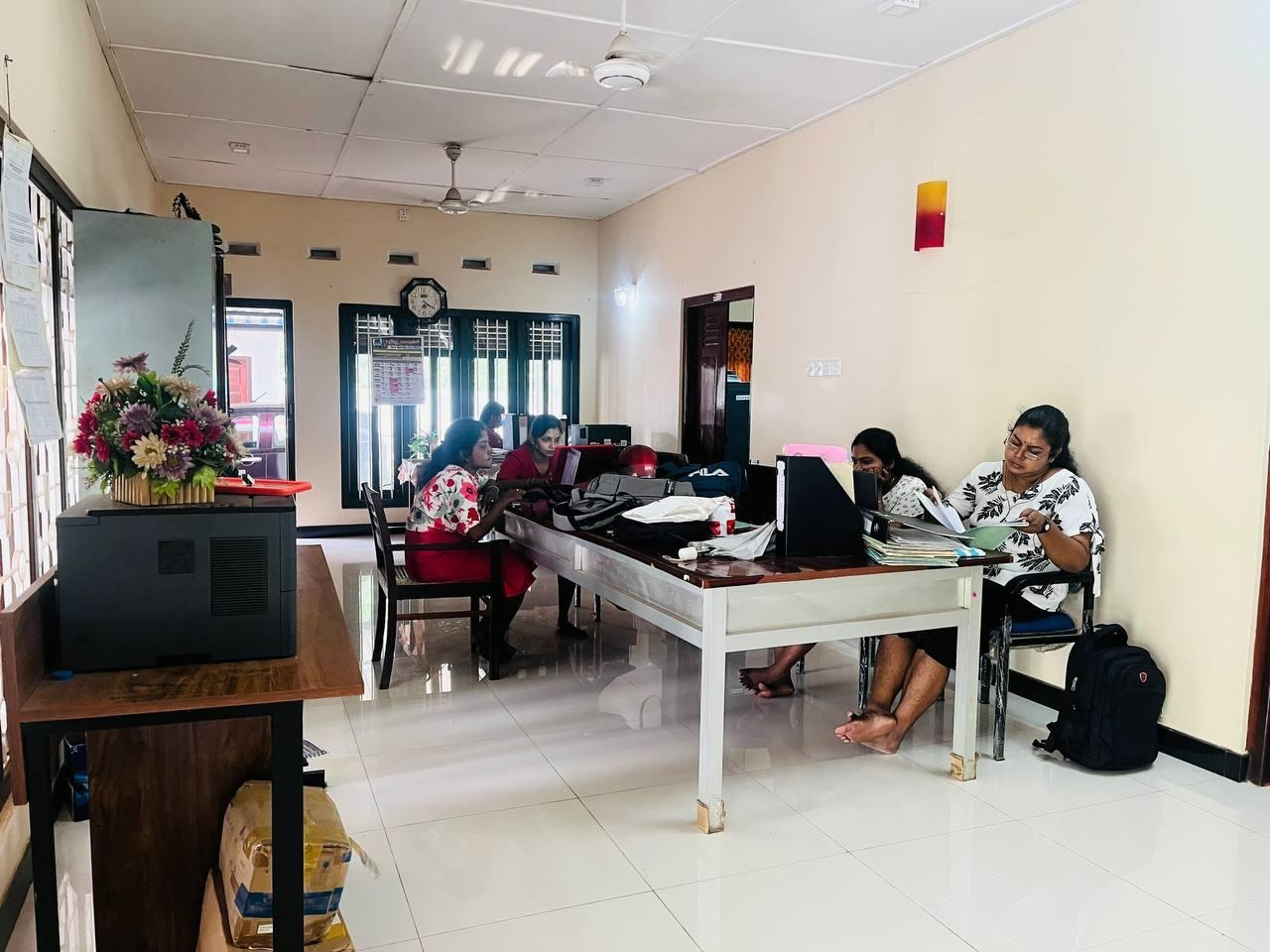
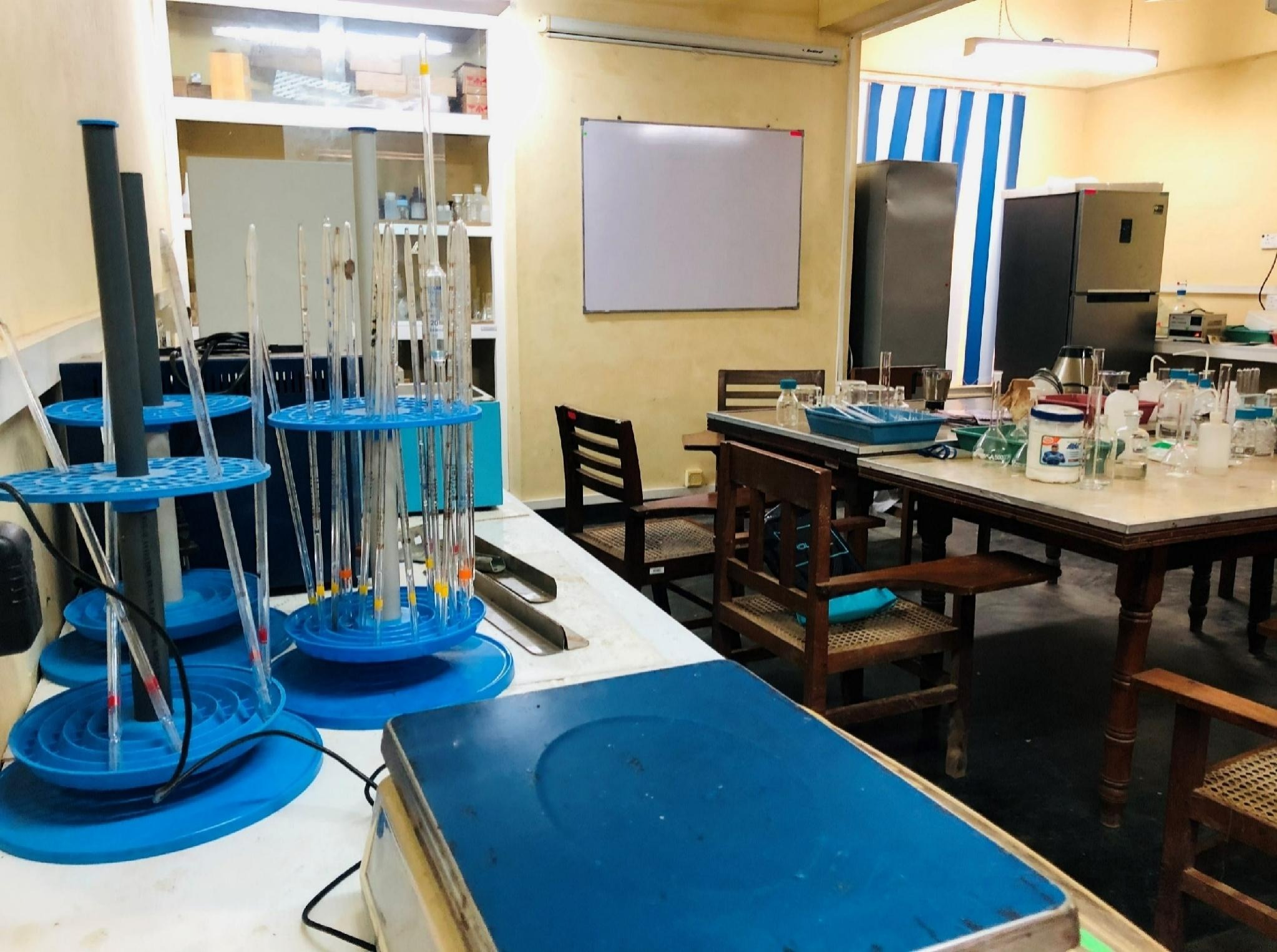
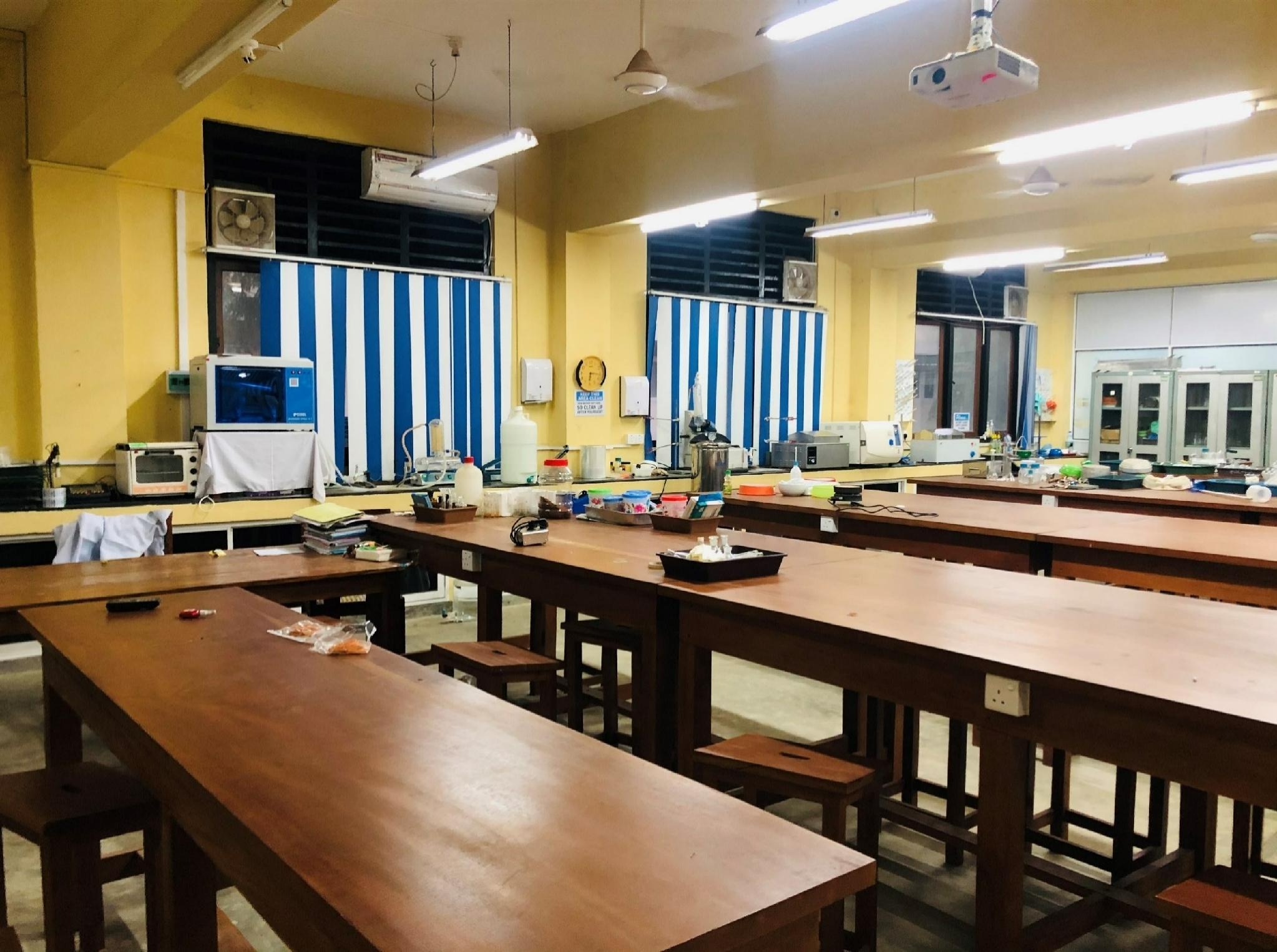
The Diploma in Fisheries Science, which had been conducted since 1998, was discontinued in 2012 following the expansion and consolidation of undergraduate degree programmes. During its formative years, the Department functioned with the academic support of several science disciplines and the valuable contributions of temporary and visiting lecturers. Constraints in academic cadre positions and infrastructure posed considerable challenges for teaching, practical training, and research activities. The Department also operated from several temporary locations with limited laboratory and office facilities, which restricted student intake and broader academic expansion.

Notwithstanding these challenges, the Department has recorded significant academic and research achievements over the years. More than 400 undergraduates and over 50 Honours graduates have successfully completed their studies, together with a growing number of MPhil graduates. The Department has also facilitated international research training opportunities through overseas collaborations and academic exchange programmes. Furthermore, its staff and students have made substantial contributions to research and community engagement in areas including fisheries ecosystems, marine productivity, aquatic pollution, climate change impacts, biodiversity conservation, and environmental monitoring.

As the Department continues to progress, it remains committed to advancing excellence in fisheries education, research, and outreach. With land now allocated for a dedicated departmental building, future plans include the expansion of academic programmes, the reintroduction of diploma-level training, and the establishment of new applied science pathways in sustainable fisheries, ocean management, and marine conservation. The development of modern infrastructure and research facilities will further strengthen the Department’s capacity to serve the nation and contribute meaningfully to the sustainable development of the fisheries and aquatic resources sector.